




Peterson Foundation Statement on Biden Administration’s Budget Proposal
Peterson Foundation Statement on Biden Administration’s Budget Proposal


NEW YORK — Michael A. Peterson, CEO of the Peter G. Peterson Foundation, commented today on the Biden administration’s budget proposal for Fiscal Year 2022:
“As our nation continues to recover from the pandemic, this budget proposal outlines significant investments aimed at addressing a range of national challenges. Importantly, it identifies ways to offset that new spending over the long term with various forms of revenue increases.
“As this year’s budget season gets underway, lawmakers should hold firm to finding ways to pay for our priorities. And even more importantly, they need to maintain this fiscally responsible resolve over time. This proposal includes significant temporary spending within 10 years that’s paid for over 15 years with permanent revenues. While this certainly projects out more favorably than pure deficit spending, in the end it will only be as fiscally responsible as our future fortitude to actually stop the spending and continue the revenues.
“More broadly, looking beyond these new policies, we need to acknowledge that much work remains to pay for all of the spending that we already have promised to our citizens. Before all of these new measures, CBO’s baseline already showed more than $12 trillion in deficits over the next ten years. These deficits are driven by well-known structural and demographic factors that existed long before the pandemic. Under the administration’s projections, our debt grows to the highest level in American history as a percentage of GDP, and net interest payments will double over the next decade, even if interest rates remain relatively low.”
“Ensuring an inclusive, fair, prosperous and moral economic system means not only meeting today’s urgent challenges in a responsible way, but securing our fiscal position over the long term. As we think about today’s needs, we can’t ignore the many health, social, environmental, economic and foreign policy challenges that will inevitably exist down the road. In order to have the strength and resources we need to truly tackle our critical challenges over the long run, we need to build our economic future on a sustainable fiscal foundation.”
# # #
Further Reading
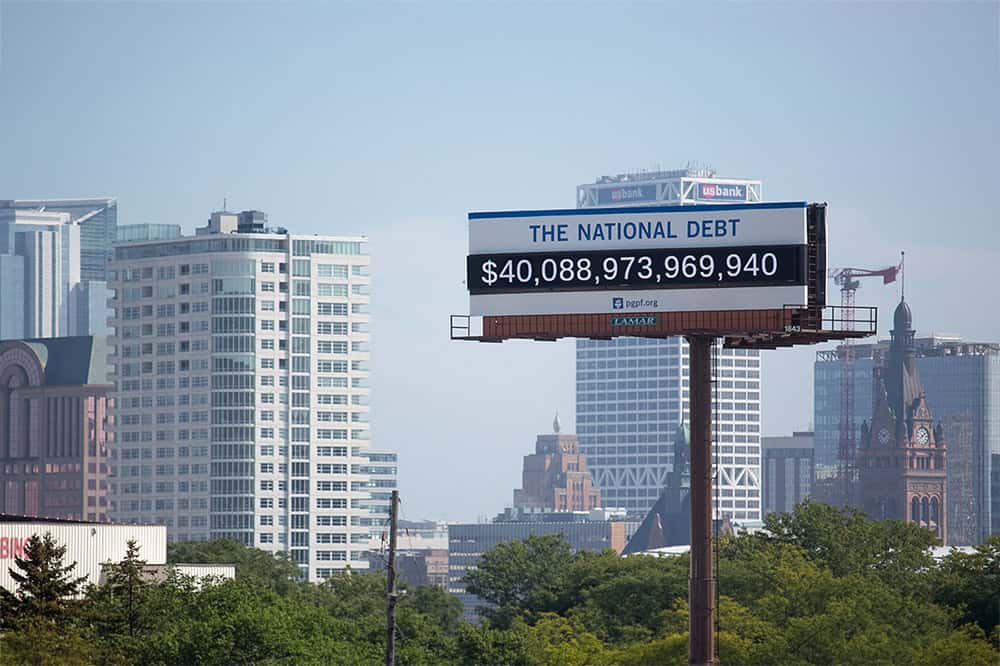
The Federal Government Has Borrowed Trillions. Who Owns All that Debt?
Most federal debt is owed to domestic holders, but foreign ownership is much higher now than it was about 50 years ago.
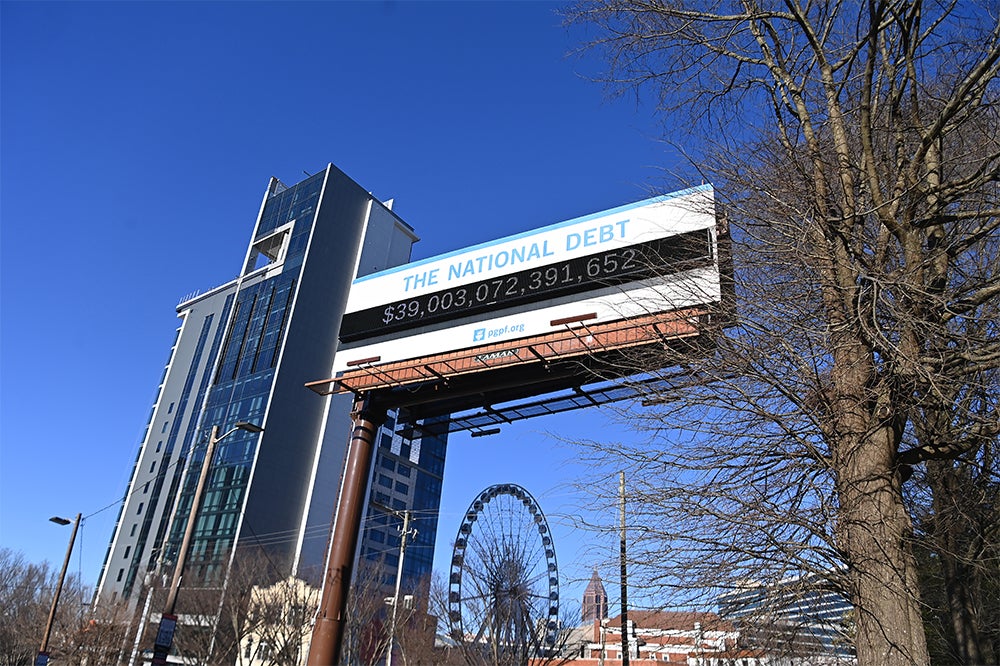
With $40 Trillion in Debt, Is the U.S. Headed for More Credit Downgrades?
Three successive downgrades of the U.S. credit rating should alarm elected leaders, but our national debt remains on an unsustainable trajectory.
The United States Is Adding to the National Debt Faster Than Ever
The nation’s debt is growing at a historic rate and eclipsing all-time highs.