




3 Takeaways from CBO’s Budget and Economic Outlook

The outlook for the federal budget has worsened considerably since last year, according to a new report by the Congressional Budget Office (CBO). The sharp deterioration in the budget outlook stems from the large spending and tax bill that was enacted in December 2015, which increases deficits considerably over the next 10 years and beyond. CBO’s latest report highlights that America’s fiscal policy over the long-term remains unsustainable and threatens our future economy.
The CBO report finds that:
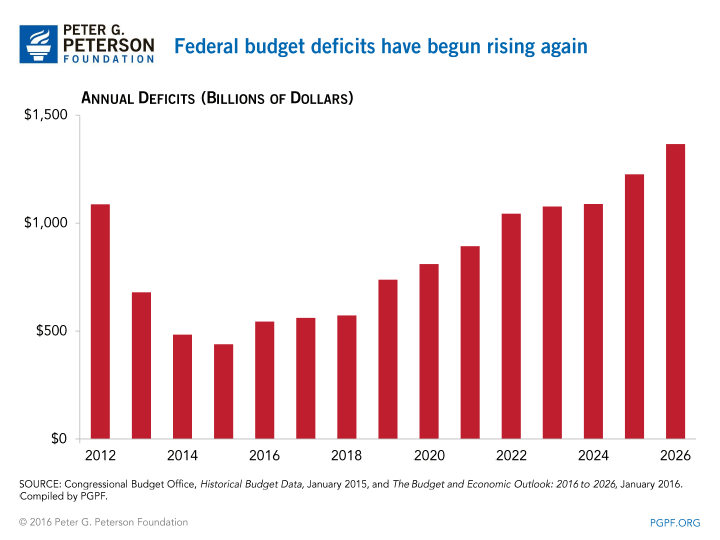
1. The federal budget has a structural mismatch between spending and revenues, which will lead to rising deficits over the next decade and beyond. Federal deficits will exceed the $1 trillion mark in 2022 and deficits will total $9.4 trillion over the next 10 years.
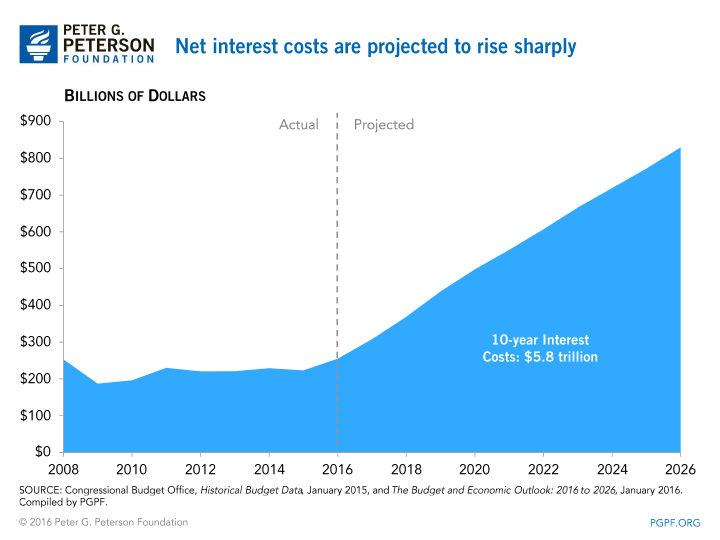
2. Interest costs on the debt will climb sharply. Over the next 10 years, net interest costs will total $5.8 trillion.
3. Federal debt is projected to rise to 86 percent of gross domestic product (GDP) in 2026 — double its 50-year average and higher than at any point since just after WWII. Debt levels thereafter will climb sharply as a share of GDP.
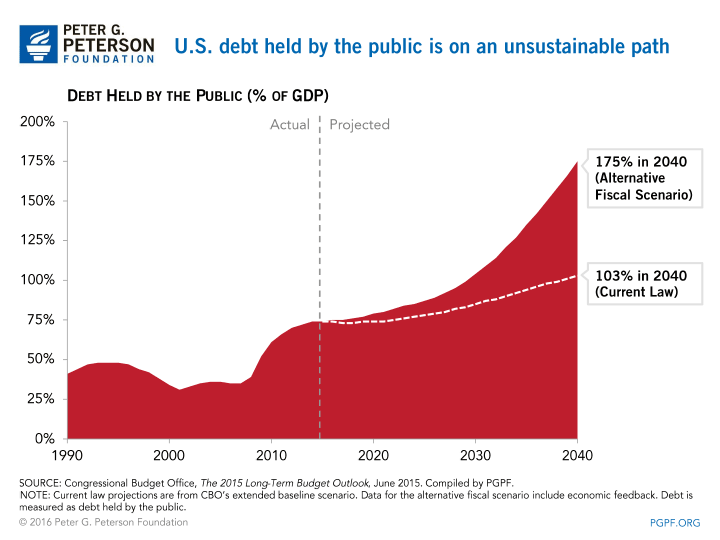
Image credit: Getty Images
Further Reading
Quarterly Treasury Refunding Statement: Borrowing Could Rise Soon
The U.S. Treasury has signaled its intention to add $1.4 trillion in new debt between July and December.
What Are Interest Costs on the National Debt?
Interest costs are on track to become the second largest category of spending in the federal budget.
7 Charts That Illustrate America’s Growing Fiscal Stress
America’s fiscal situation is daunting, with key budgetary warning signs and hurdles approaching in the near term.