




How Does the United States’ Fiscal Position Compare to Other Countries’?

Every other year, the Organisation for Economic Co-operation and Development (OECD) releases its Government at a Glance report, detailing fiscal and economic indicators for member countries. In the 2025 publication, the United States did not fare well comparatively from a fiscal standpoint.
The OECD methodology for calculating a nation’s fiscal balance includes all levels of government — central, state, local — as well as funds such as Social Security. That approach allows OECD to look across all countries consistently.
Using 2023 data (the most recent for the United States), the OECD found that the United States had the highest combined budget deficits among member nations. The United States’ deficit was 7.6 percent of gross domestic product (GDP), while the average deficit of all OECD countries was 4.6 percent.
The United States also paid the most in interest compared to other OECD countries. The United States spent 4.0 percent of GDP on interest while all OECD countries spent an average of 2.3 percent of GDP on such costs.
The OECD report assesses a nation’s fiscal standing through a broad lens — including deficits at all levels of government. Those measurements offer a slightly different perspective from solely looking at the federal deficit, but both approaches tell a similar story: The United States is in a poor fiscal condition compared to the rest of the world. The OECD report is the latest evidence for policymakers that we need to change course and put America on a more sustainable path.
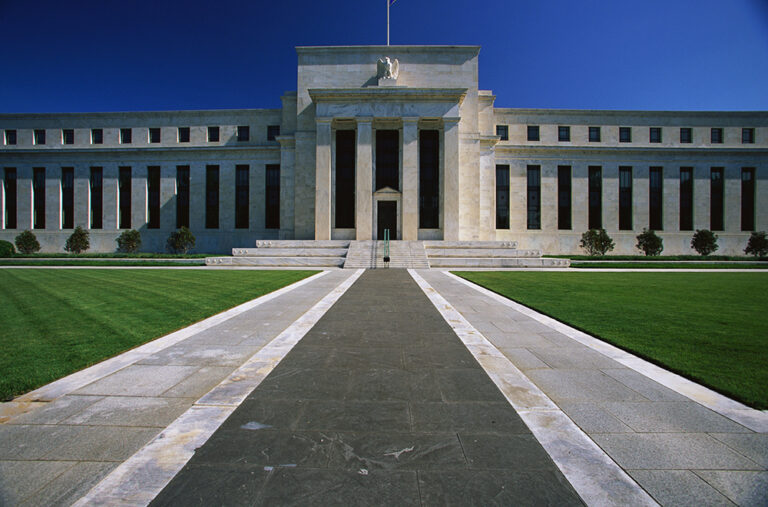
Photo by Maliflower73/Getty Images
Further Reading

Quarterly Treasury Refunding Statement: Borrowing Could Rise Soon
The U.S. Treasury has signaled its intention to add $1.4 trillion in new debt between July and December.
What Are Interest Costs on the National Debt?
Interest costs are on track to become the second largest category of spending in the federal budget.
7 Charts That Illustrate America’s Growing Fiscal Stress
America’s fiscal situation is daunting, with key budgetary warning signs and hurdles approaching in the near term.