




Peterson Foundation on Social Security, Medicare Trustees Reports: Doing Nothing Today Means Cuts Tomorrow
Peterson Foundation on Social Security, Medicare Trustees Reports: Doing Nothing Today Means Cuts Tomorrow

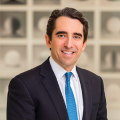
NEW YORK — Michael A. Peterson, CEO of the Peter G. Peterson Foundation, commented today following the release of the 2019 annual reports of the Social Security and Medicare Trustees:
“The latest trustees reports make clear that Social Security and Medicare beneficiaries face substantial cuts in the near future unless policymakers take action to make these vital programs solvent.
“According to the report, Social Security will pay out more than it takes in next year and every year going forward. That’s the definition of unsustainable. The Social Security retirement program will become insolvent by 2034, at which time beneficiaries will receive an immediate 23 percent cut.
“Medicare is also on a disturbing path, as its hospital insurance program will become insolvent in just 7 years, which would jeopardize healthcare for 73 million Americans.
“Continuing to ignore alarming financial projections for critical programs is unacceptable.
“Unfortunately, this is not new news. As America’s population ages and healthcare spending rises, we have known that these essential programs are coming under increasing financial strain. To build the future Americans want and deserve, our elected leaders should take action on the many readily available solutions that can be phased in gradually and fairly to secure these programs for the long term.”
Further Reading
Fed Raises Rates for First Time Since 2023 as Interest Costs Top $1 Trillion
High interest rates on U.S. Treasury securities increase the federal government’s borrowing costs.

Three Key Things to Know about CHIP
The Children’s Health Insurance Program is a key piece of the social safety net. Let’s take a look at what CHIP is, how it is financed, and who benefits from it.

A State-by-State Look at the Threat of Social Security’s Looming Insolvency
Should Social Security’s primary trust fund be allowed to deplete, the economic consequences will be felt by millions of households.