


Peterson Foundation Statement on End to Government Shutdown
Peterson Foundation Statement on End to Government Shutdown


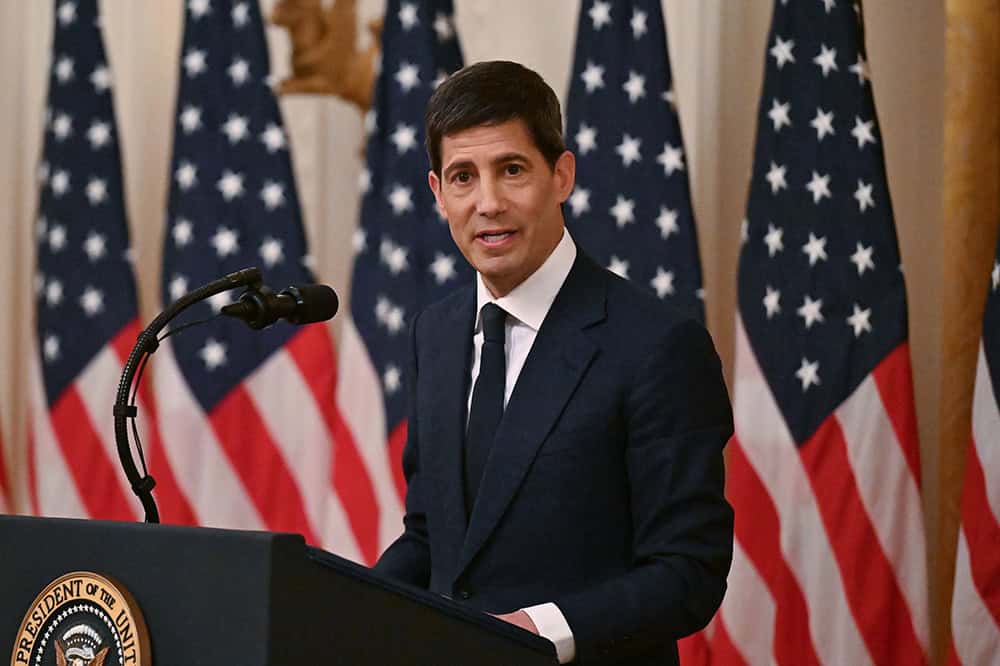
NEW YORK — Michael A. Peterson, President and CEO of the Peter G. Peterson Foundation, commented today after lawmakers agreed to pass a new continuing resolution to end the current government shutdown, providing funding through February 8. Peterson said:
“While it’s good news that lawmakers have come to an agreement to reopen the government, it’s unfortunate that we are operating, yet again, under temporary funding.
“Piecemeal budgeting is a form of fiscal irresponsibility because it injects uncertainty and unpredictability into our economy. Budgeting is a basic function of government, and lawmakers all too often rely on short-term fixes. In fact, this continuing resolution is the 113th temporary funding measure since 1998, meaning Congress has failed to budget on time for two decades. Governing week-to-week is no way to run the country’s finances.
“In addition, it’s essential that lawmakers begin to improve our fiscal bottom line. Unfortunately, even this short-term measure through February 8 includes both new spending and new tax cuts that will add $31 billion to deficits. It’s critical that our final appropriations for the year do not make our fiscal condition any worse than it already is. If lawmakers want to raise discretionary spending caps, they should pay for their priorities.
“Our nation remains on a dangerous and unsustainable fiscal path that threatens our economy and future generations. Our budget process should begin a path toward sustainability of our nation’s finances.”
Further Reading

How the National Debt Raises Costs for Households, Businesses, and Younger Americans
The rising national debt imposes real costs on Americans, contributing to their affordability concerns and jeopardizing their economic security.
Fed Holds Rates as Interest Costs on the National Debt Top $1 Trillion
High interest rates on U.S. Treasury securities increase the federal government’s borrowing costs.

Most Get More from Social Security and Medicare Than They Pay In
Understanding lifetime tax and benefit payments, and how those lifetime balances vary, can help policymakers better target reforms to ensure the programs can be sustainable for decades to come.