




Peterson Foundation Statement on Student Debt Forgiveness Announcement
Peterson Foundation Statement on Student Debt Forgiveness Announcement


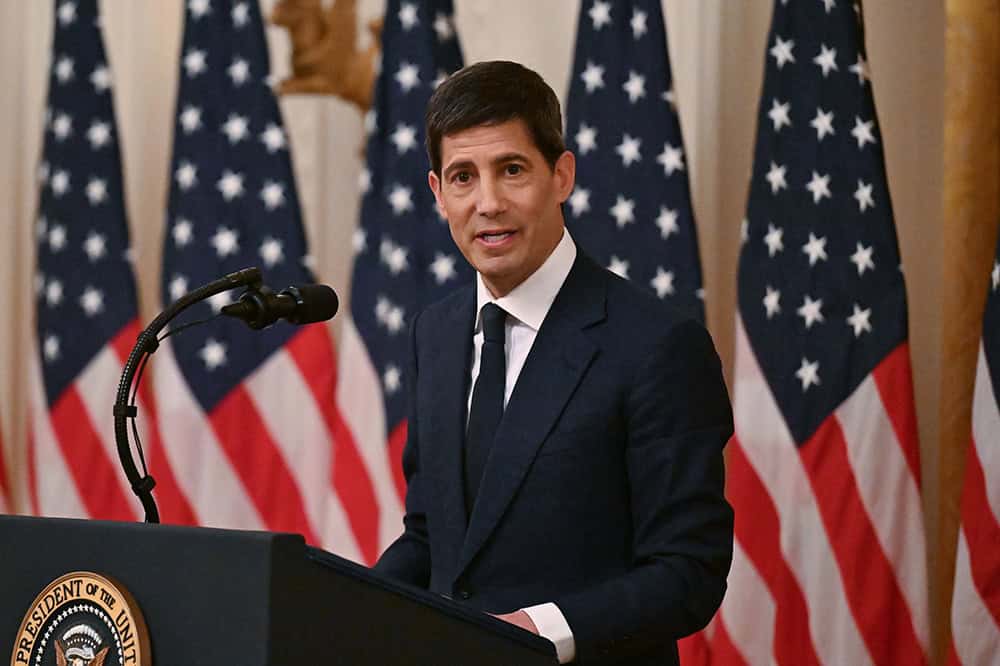
NEW YORK — Michael A. Peterson, CEO of the Peter G. Peterson Foundation, commented today following the Biden Administration’s announcement on student debt forgiveness:
“On the heels of the first meaningful deficit reduction initiative in years in the Inflation Reduction Act, it’s highly irresponsible, unfortunate and unwise to wipe out those fiscal benefits with this announcement. This plan would boost the deficit over the next decade by as much as the Inflation Reduction Act reduced it, only days ago.
“Student debt policy is critically important because far too many individuals are facing unsustainable debt burdens. But piling on billions more in federal debt does not solve the problem because it trades one type of debt for another. By not paying for this priority, we must acknowledge that we are actually increasing the burden of national debt that we are passing on to the next generation.
“Earlier this month lawmakers proved through the enactment of the Inflation Reduction Act that it’s not only possible, but preferable, to pay for your priorities. If it’s an important national challenge, whether it be related to debt relief, climate, national security, or helping the most vulnerable people in our society, it should be paid for with the many available sources of revenue or spending cuts elsewhere in the budget.
“With $16 trillion of new debt coming on autopilot in the decade ahead, we shouldn’t be making things worse than they already are. Instead of adding to the national debt that the next generation will inherit, our leaders should commit to fair, permanent and fiscally responsible solutions to our system of financing higher education that would contribute to greater, broad-based economic opportunity in the future.”
# # #
Further Reading
Fed Raises Rates for First Time Since 2023 as Interest Costs Top $1 Trillion
High interest rates on U.S. Treasury securities increase the federal government’s borrowing costs.

Three Key Things to Know about CHIP
The Children’s Health Insurance Program is a key piece of the social safety net. Let’s take a look at what CHIP is, how it is financed, and who benefits from it.

A State-by-State Look at the Threat of Social Security’s Looming Insolvency
Should Social Security’s primary trust fund be allowed to deplete, the economic consequences will be felt by millions of households.