




Peterson Statement on CBO’s Long-Term Outlook
Peterson Statement on CBO’s Long-Term Outlook


NEW YORK — Michael A. Peterson, CEO of the Peter G. Peterson Foundation, commented today on the release of the Congressional Budget Office’s updated Long-Term Budget Outlook:
“Today’s report provides a troubling snapshot of America’s fiscal outlook, which we know will only get worse from here. Prior to the pandemic, we were already facing growing, trillion-dollar structural deficits, and this crisis has added trillions more, with additional amounts yet to come that are not even accounted for in CBO’s projections. Leaders must prioritize our public health and economic recovery, but they also need to be ready to act on fiscal solutions once the crisis has passed.
“The national debt crossed $28 trillion for the first time this week — a staggering amount that represents an enormous burden on our kids and grandkids. Worse yet, there is nothing but rapid growth in the years to come. Interest on the debt will grow faster than any other budget category and reach unprecedented levels as a percentage of federal revenues and GDP. CBO projects that the government will spend more than $61 trillion in interest alone over the next three decades. These payments obviously do nothing to help address the many important challenges we face, such as climate change, infrastructure, economic justice, and national security.
“Once we tackle this terrible pandemic, lawmakers should work together to take control of our budget. Policy solutions are well known and available — they just require leadership. A fiscally sustainable foundation is vital to creating a stronger economy, enabling smart investments in our future and increasing opportunity and preparedness for the next generation.”
# # #
Further Reading

Budget Basics: What Is the Earned Income Tax Credit?
The earned income tax credit (EITC) is a measure administered through the tax code to address poverty.
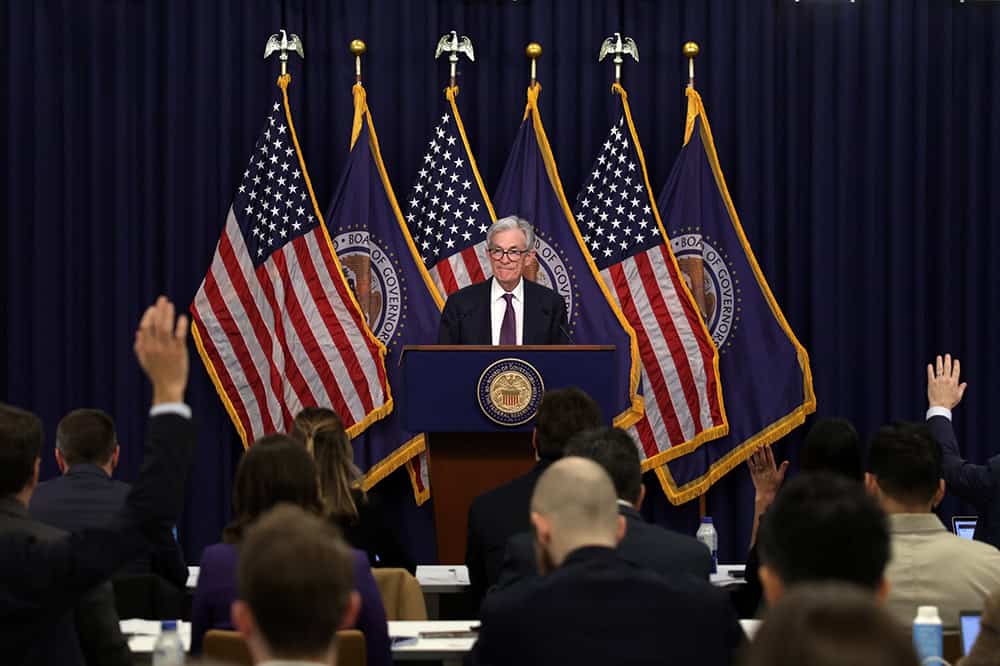
The Fed Held Its Target Range For the Third Meeting in a Row but Interest Costs Remain High
High interest rates on U.S. Treasury securities increase the federal government’s borrowing costs.

How Much Does the Government Spend on International Affairs?
Federal spending for international affairs, which supports American diplomacy and development aid, is a small portion of the U.S. budget.