



Statement from Foundation President, Michael A. Peterson, on CBO’s Long-Term Budget Outlook
Statement from Foundation President, Michael A. Peterson, on CBO’s Long-Term Budget Outlook

“The message of this CBO report is clear — the nation’s current fiscal path is unsustainable over the long term. A federal debt level of 200% of GDP within 25 years would place an unthinkable burden on the next generation — trillions in interest payments would crowd out much needed investments in our economy, and the safety net could be shredded as resources become scarce.
CBO also recently warned that the confluence of expiring tax cuts and automatic spending reductions occurring at the end of the year could lead to another recession if our current course isn’t altered. Our elected leaders should use the need to act on these year-end events as an opportunity to put in place a comprehensive bipartisan fiscal plan that gets implemented when the economy recovers. Agreeing on a plan that shows that America is getting its fiscal house in order would give the economy a badly needed boost of confidence in the short term, and put America on a much more sustainable and prosperous path for the long term.”
Further Reading
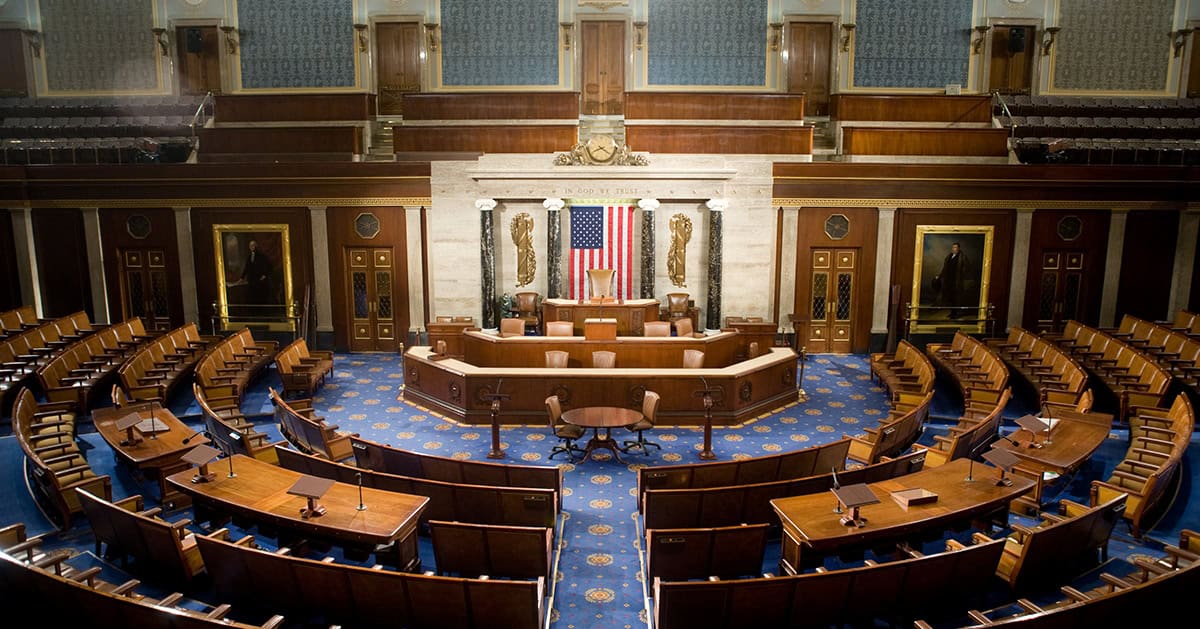
Growing Momentum for a Fiscal Commission in Congress
A fiscal commission would provide the space and structure for lawmakers to comprehensively review the entire budget and improve the fiscal path of the U.S.
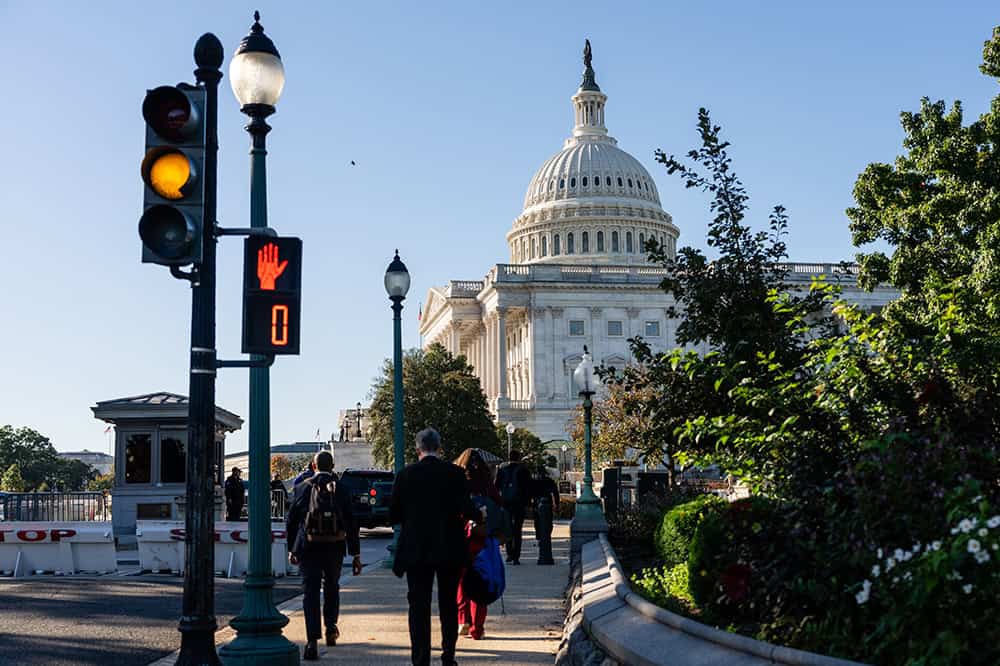
Senators We Elect in 2026 Will Have to Deal with Automatic Social Security Cuts
Without congressional action within the next six years, millions of Social Security recipients will face an automatic benefit cut of approximately 22 percent.
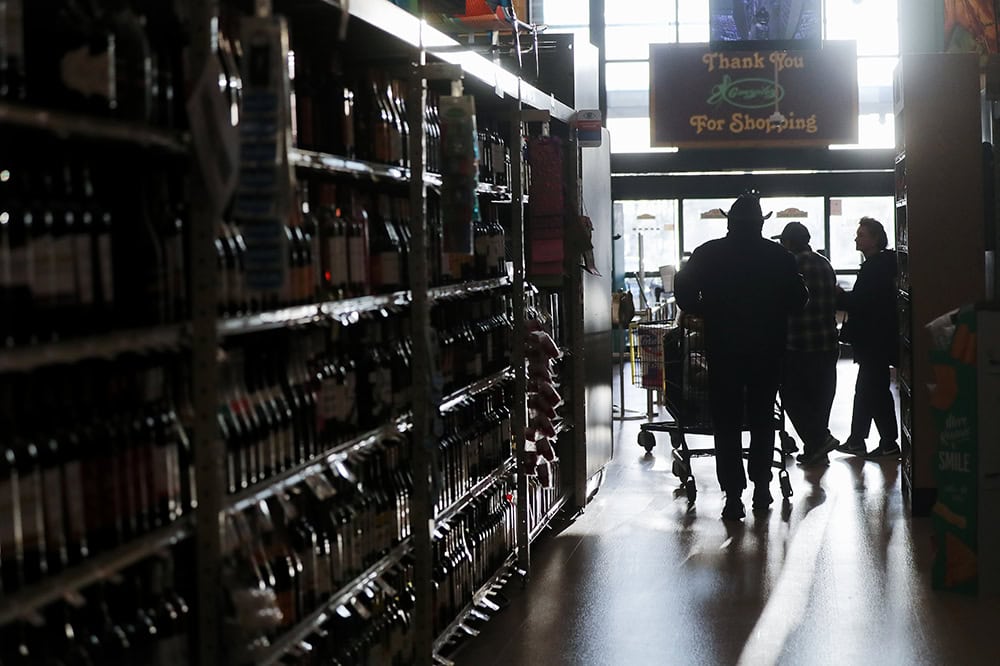
What Is Stagflation, and How Would It Affect the National Debt?
Stagflation is rare, but when it does happen, it can have significant negative consequences for the economy and the national debt.