




Statement on CBO’s Budget & Economic Outlook Summary
Statement on CBO’s Budget & Economic Outlook Summary


NEW YORK — Michael A. Peterson, President and CEO of the Peter G. Peterson Foundation, commented today on the Congressional Budget Office’s Budget and Economic Outlook summary:
“Today’s CBO report highlights the fact that our budget outlook has worsened considerably since last year. Unfortunately, we remain on a dangerous debt path, which threatens our future economy.
“CBO indicates that the positive era of declining deficits since the recession has come to an unfortunate end. The 2016 deficit will climb to $544 billion — $105 billion more than last year. By 2022, annual deficits will once again exceed the trillion mark — reaching $1.4 trillion in 2026 and totaling $9.4 trillion over the next 10 years. Interest costs alone will total $5.8 trillion over the next 10 years.
“CBO makes clear that America’s fiscal outlook over the long term remains unsustainable, and threatens our economy. The 2016 election is an important opportunity for a national conversation, as voters across the country are calling on candidates to put forward their plans to secure America’s fiscal and economic future.”
Further Reading
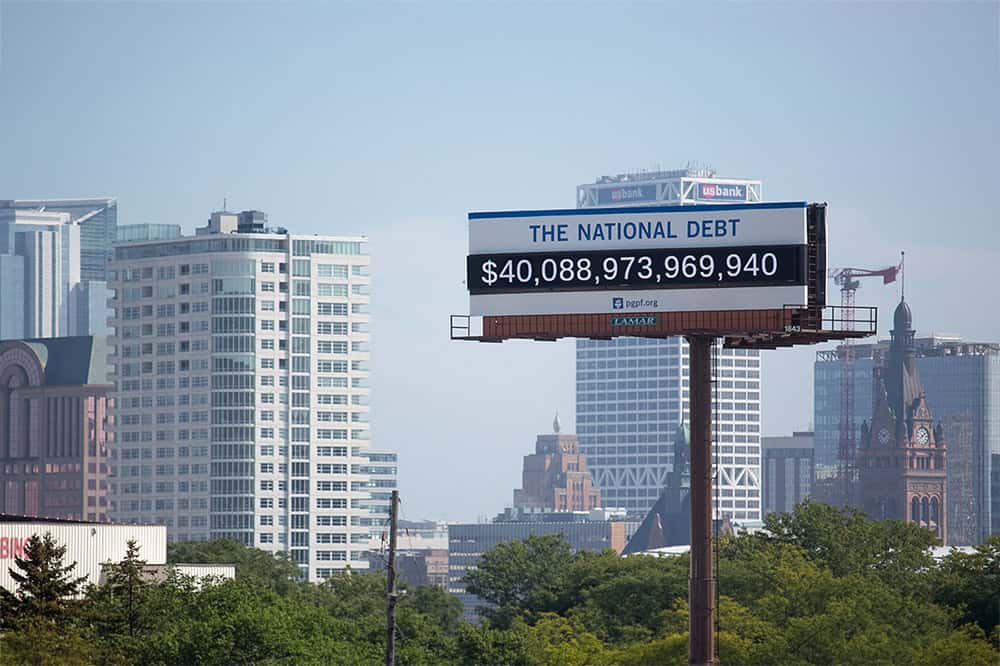
The Federal Government Has Borrowed Trillions. Who Owns All that Debt?
Most federal debt is owed to domestic holders, but foreign ownership is much higher now than it was about 50 years ago.
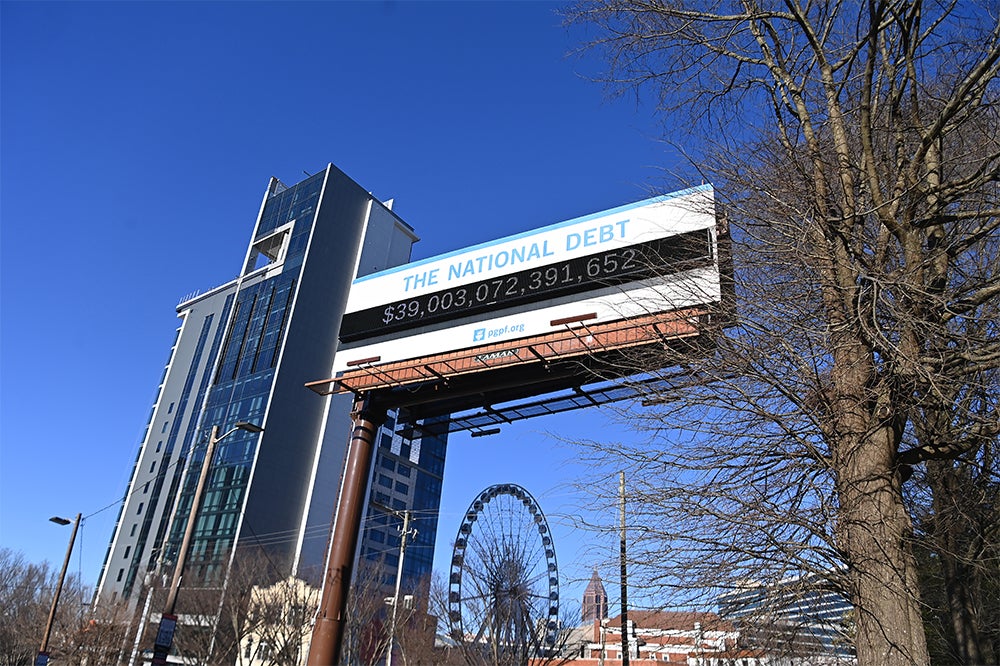
With $40 Trillion in Debt, Is the U.S. Headed for More Credit Downgrades?
Three successive downgrades of the U.S. credit rating should alarm elected leaders, but our national debt remains on an unsustainable trajectory.
The United States Is Adding to the National Debt Faster Than Ever
The nation’s debt is growing at a historic rate and eclipsing all-time highs.