




Peterson Foundation Statement on President’s Budget
Peterson Foundation Statement on President’s Budget


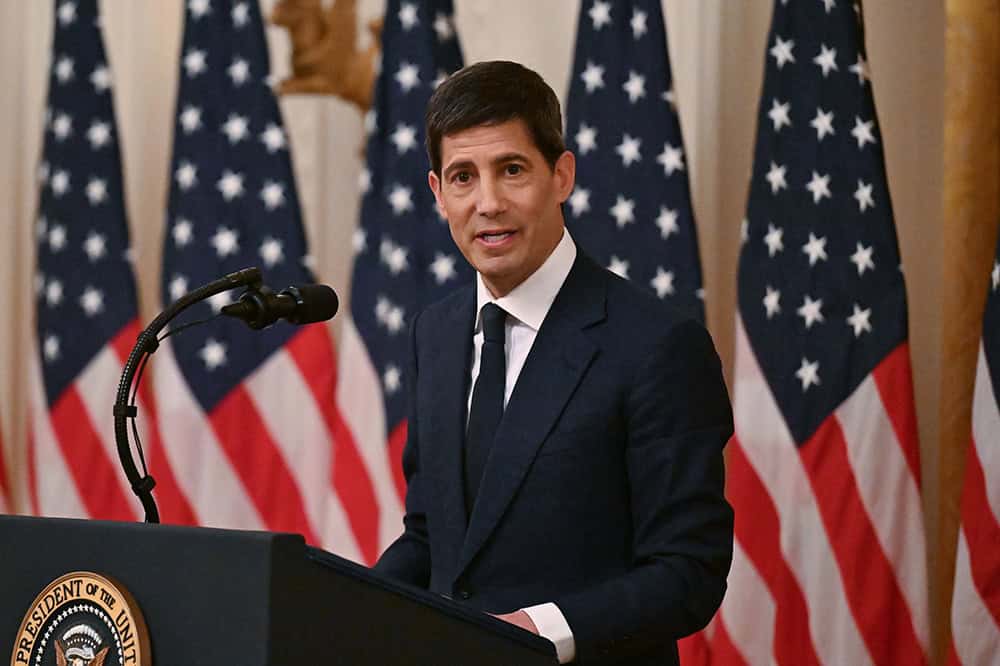
NEW YORK — Michael A. Peterson, President and CEO of the Peter G. Peterson Foundation, commented today on the President’s budget:
“The President’s budget lays the groundwork for a much needed debate about our fiscal policies and future economy. This budget has a worthy goal of deficit reduction, and over ten years outlines a path to balance and a reduction of our federal debt as a share of the economy. The administration deserves credit for putting forth policy options to significantly improve our nation’s unsustainable fiscal outlook.
“This budget relies on optimistic economic assumptions, projecting materially higher growth rates than many other economists and forecasters. It must be acknowledged that if these growth assumptions do not materialize, deficits would be substantially higher than the administration projects.
“The budget also does not address the key drivers of our long-run spending: Social Security and Medicare. Our nation’s most significant long-term fiscal challenges stem from America’s aging demographics and rising healthcare costs. For many years, both political parties have delayed, deferred and ignored the uncertain outlook of these essential programs, and they are now facing insolvency over the next two decades. We must reform and preserve these key programs soon, to ensure they are sustainable and viable into the future. Further, given that these programs represent the majority of our spending, budgets that fail to address the growth in these programs rely on more significant cuts to discretionary and means-tested programs in order to achieve balance.
“Lastly, in order to be politically viable and lasting, a successful fiscal plan must achieve bipartisan support. The president and Congress should work together and across party lines to find common ground in order to achieve durable policy solutions for the long-term fiscal health of the nation.”
Further Reading
Fed Raises Rates for First Time Since 2023 as Interest Costs Top $1 Trillion
High interest rates on U.S. Treasury securities increase the federal government’s borrowing costs.

Three Key Things to Know about CHIP
The Children’s Health Insurance Program is a key piece of the social safety net. Let’s take a look at what CHIP is, how it is financed, and who benefits from it.

A State-by-State Look at the Threat of Social Security’s Looming Insolvency
Should Social Security’s primary trust fund be allowed to deplete, the economic consequences will be felt by millions of households.