




No Taxes on Tips Will Drive Deficits Higher

Here’s how this new, temporary deduction will affect federal revenues, budget deficits, and tax equity.
Read MoreThree Reasons Why Assuming Sustained 3% Growth is a Budget Gimmick

GDP growth of 3 percent is significantly higher than independent, nonpartisan estimates and historically difficult to achieve.
Read MoreTax Breaks on Retirement Savings: Who Benefits and How Much Do They Cost?

Tax breaks on retirement accounts support the economic security of older Americans. They also affect our fiscal outlook.
Read MoreHow Does the U.S. Healthcare System Compare to Other Countries?

Despite higher healthcare spending, America’s health outcomes are not any better than those in other developed countries.
Read MoreSix Charts That Show Why Corporate Tax Revenues are Low in the U.S. Right Now

Compared to historical trends and other advanced economies, corporate tax revenues in the United States are low.
Read MoreThe U.S. Corporate Tax System Explained

Revenues raised by the corporate income tax represent the third-largest category of federal revenues in the United States.
Read MoreHow Much Funding Do State and Local Governments Receive from Federal Government?
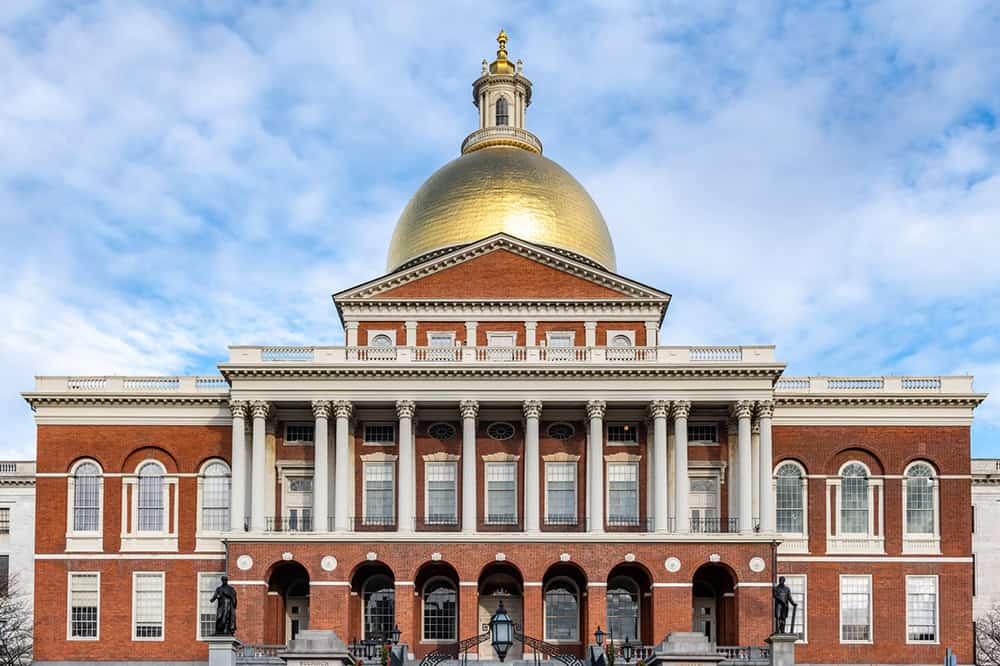
Over the last four decades, federal grants to state and local governments have made up about 17 percent of their total revenues.
Read MoreThe OBBBA’s Effect on Income Distribution in the United States
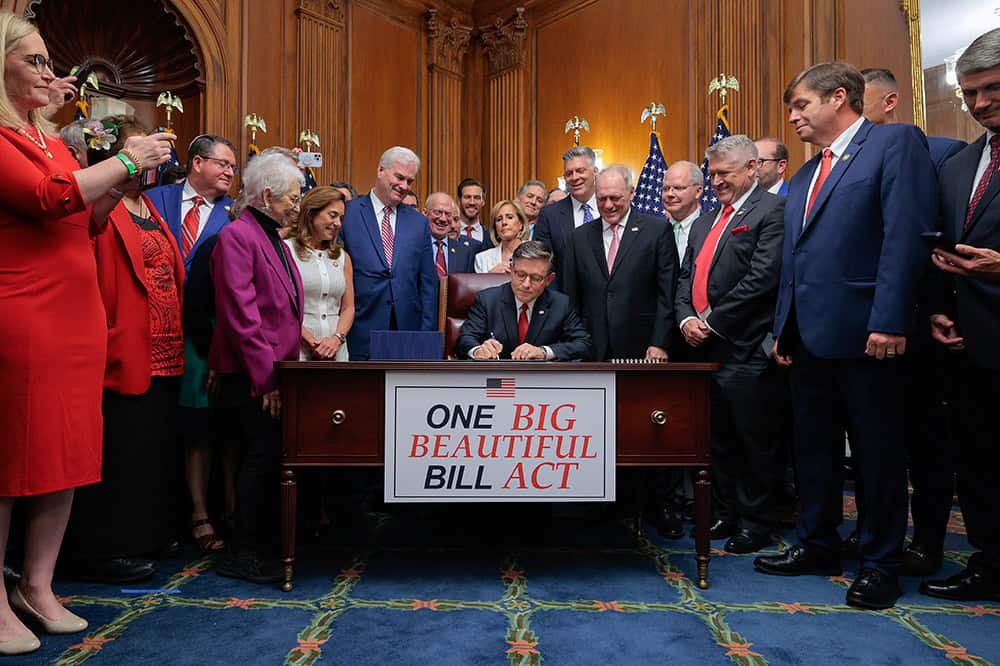
The benefits and burdens of the OBBBA are not evenly distributed. Low-income households will fare much worse than middle- and high-income ones.
Read MoreBudget Basics: What Are Budget Rescissions?
Rescission packages can serve as a tool for the lawmakers to manage and control government spending. But, rescission authority has its limits.
Read MoreHow No Tax on Overtime Will Affect Federal Revenues and Tax Fairness

This new, temporary deduction will cost $90 billion dollars over the next four years, while undermining tax equity and making the tax system more complex.
Read More