




The Fiscal Election: What’s at Stake in This Election?

The lawmakers we choose this November will face critical fiscal and economic decisions in the next two, four, and six years.
Starting in 2025, the president and Congress will confront a series of urgent deadlines and decision points. The choices our leaders make will determine how much families and businesses pay in taxes, whether or not there are automatic cuts to Social Security and Medicare, the affordability of healthcare under the ACA, and what to do about the debt ceiling. Undoubtedly, 2024 is a Fiscal Election.
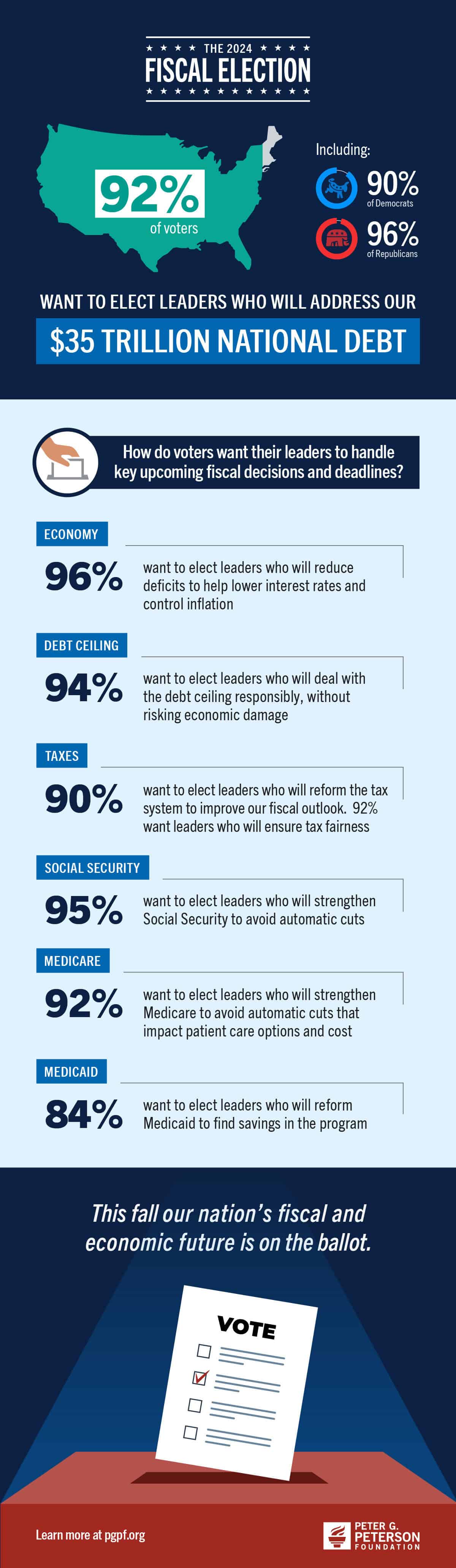
Want to share this image on your site? Copy and paste the embed code below:
<img src="http://www.pgpf.org/sites/default/files/Infographic-The-2024-Fiscal-Election.jpg" width="620" alt="The Fiscal Election">
<a href="https://www.pgpf.org/infographic/the-fiscal-election-whats-at-stake-in-this-election">
</a><p><strong>The Fiscal Election</strong>, courtesy of <a href="https://www.pgpf.org/infographic/the-fiscal-election-whats-at-stake-in-this-election">Peter G. Peterson Foundation</a></p>
Feel free to share this infographic on Twitter.
Tweet: The lawmakers we choose this November will face critical fiscal and economic decisions.
Further Reading

Bond Market Movements Point to Growing Fiscal Risks
As ratings agencies have serially warned, U.S. debt growth is unsustainable, and global investors appear to be weighing the risks of financing U.S. deficits more heavily.
The Federal Government Has Borrowed Trillions. Who Owns All that Debt?
Most federal debt is owed to domestic holders, but foreign ownership is much higher now than it was about 50 years ago.

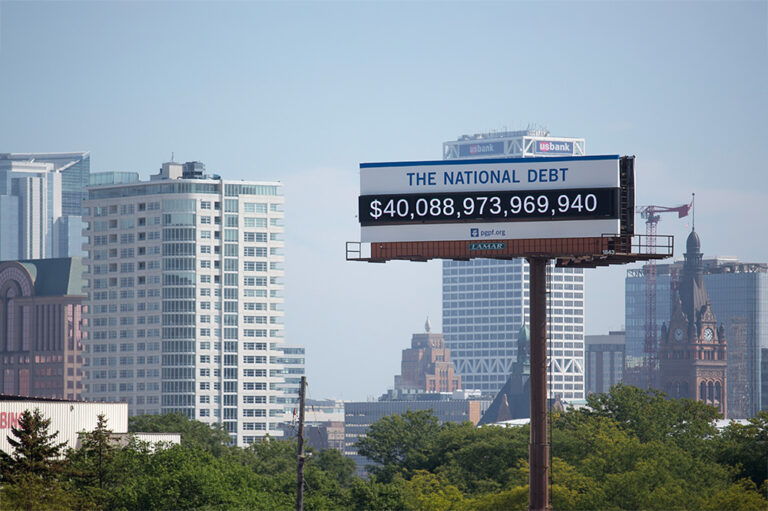
With $40 Trillion in Debt, Is the U.S. Headed for More Credit Downgrades?
Three successive downgrades of the U.S. credit rating should alarm elected leaders, but our national debt remains on an unsustainable trajectory.