




Government programs that provide benefits to individuals are a cornerstone of our economy, society, and federal budget. Social Security and Medicare are America’s largest social programs, providing critical retirement security and health benefits to millions.
Unfortunately, both of those crucial programs are on an unsustainable path due to the nation’s aging population and rising healthcare costs. Unless lawmakers enact reforms, both Social Security’s Old-Age and Survivors Insurance (OASI) Trust Fund and Medicare’s Hospital Insurance (HI) Trust Fund will become depleted within the coming years. Upon depletion, benefits for the respective programs would face significant and sudden automatic cuts
In addition to Medicare and Social Security, there are a range of social programs serving Americans, including Medicaid, the Children’s Health Insurance Program (CHIP), and various income security programs.
Below is a selection of key charts that provide an overview of some of these crucial social programs, their financial outlook, and how they fit within the federal budget.
Attribution Policy: If you would like to use any of these charts, please credit the "Peter G. Peterson Foundation" and provide the pgpf.org website URL and hyperlink. If you would like to include one of our charts in a commercial product, please email [email protected].
Further Reading

9 Facts About Social Security and the Need to Strengthen It
Social Security is an essential program for millions of Americans, but it’s at risk if lawmakers fail to take action to reform the program.
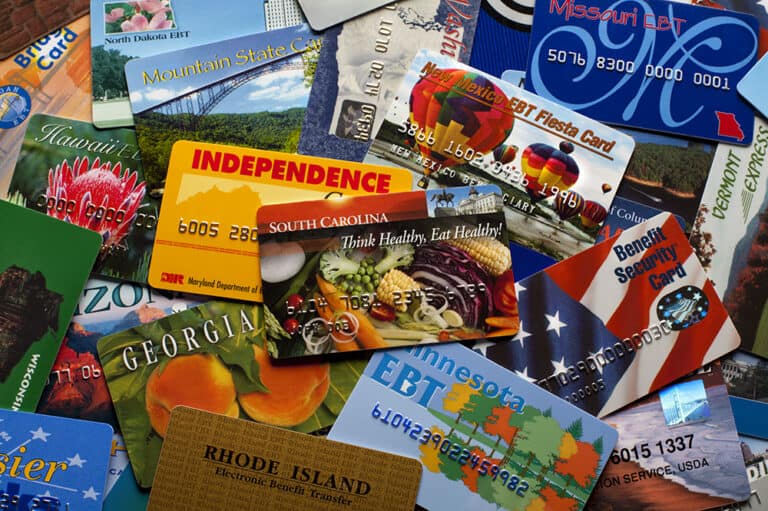
What Is SNAP? An Overview of the Largest Federal Anti-Hunger Program
SNAP has a positive effect on poverty and food insecurity, with a relatively small effect on the federal budget.

What Is Supplemental Security Income?
SSI faces ongoing challenges including an aging population, evolving disability eligibility, and fiscal pressures on the federal budget.