




Poll: Voters Don’t Want New Legislation or Tax Cuts that Increase the National Debt

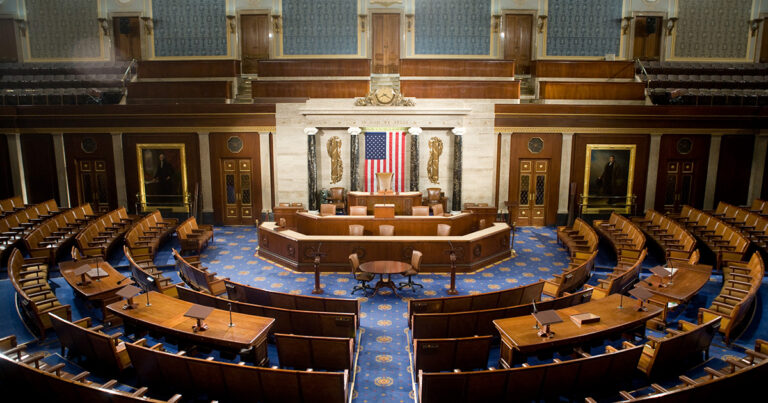
This year, President Trump and the new Congress face a series of high stakes fiscal policy decisions including the debt ceiling, a government funding deadline and — perhaps most importantly — the expiration of trillions in tax cuts.
New polling shows that Americans have little appetite for new legislation that adds to our $36 trillion and rising national debt. In fact, strong majorities of voters across party lines are urging lawmakers to reduce deficits compared to current-law levels. More specifically, nearly 8-in-10 voters are calling on the new administration and Congress to ensure that any changes in tax policy this year do not add to the debt.
Commenting on these results, Michael A. Peterson, CEO of the Peterson Foundation, said “As a new president and Congress take office, voters across the political spectrum see the need to prioritize addressing our $36 trillion and rising national debt. When it comes to the major tax reform debate in 2025, Americans are clear that lawmakers should ‘do no fiscal harm’ by making sure that any changes to the tax system don’t make our debt any worse. We’re already on track to add $22 trillion more in new debt over the next ten years, including $14 trillion in interest payments, so the time to act is now.”
Image by Mark Wilson/Getty Images
Further Reading

Quarterly Treasury Refunding Statement: Borrowing Could Rise Soon
The U.S. Treasury has signaled its intention to add $1.4 trillion in new debt between July and December.
Growing Momentum for a Fiscal Commission in Congress
A fiscal commission would provide the space and structure for lawmakers to comprehensively review the entire budget and improve the fiscal path of the U.S.
What Are Interest Costs on the National Debt?
Interest costs are on track to become the second largest category of spending in the federal budget.