




What Are the Consequences of a High and Rising National Debt?


The national debt has reached the equivalent of 100 percent of gross domestic product (GDP) and will continue to grow at record rates. The implications of such a high and rising debt pose a threat to America’s economic future, with significant risks for families and businesses. A recent report by the American Action Forum (AAF) identifies the unsustainably rising debt as one of our nation’s most pressing policy issues, highlighting six harmful consequences.
- Slower income growth. Rising debt crowds out resources available for private investment by increasing interest rates and making borrowing more expensive. Over time, reduced investment can decrease labor productivity, therefore depressing wages. AAF calculates that the current debt trajectory would reduce income growth between 2025 and 2055 by 16 percent.
- Increasing interest costs. The United States now spends more on interest on the debt than on national defense or Medicare, and interest payments are estimated to grow by 76 percent over the next 10 years — the fastest growing category in the federal budget.
- Rising interest rates. Rising debt can put upward pressure on interest rates, making payments more expensive on mortgages, car loans, student loans, business loans, and credit card debt.
- Reduced “fiscal space.” Fiscal space generally refers to the amount of money the government can borrow before severe economic consequences occur. While it is difficult to determine exactly how much fiscal space exists, high debt limits the nation’s ability to act in the face of emergencies.
- Undue burden on future generations. The national debt presents a growing burden for younger Americans, who will be most impacted by these consequences over the long term. Future generations will pay, whether through higher tax burdens, reduced government services, or slower growth, for the decisions made to borrow today.
- Increased risk of fiscal crisis. While the likelihood of a crisis remains low, a high and rising debt increases the risk that investors demand higher returns for our debt. This, in turn, could undermine confidence in Treasury markets and lead to a series of repercussions.
The high and rising national debt harms the economy, makes life less affordable, and jeopardizes the economic prosperity of Americans. AAF’s report underscores the need for lawmakers to pursue responsible solutions that stabilize the debt and put our country back on a stronger, more sustainable path.
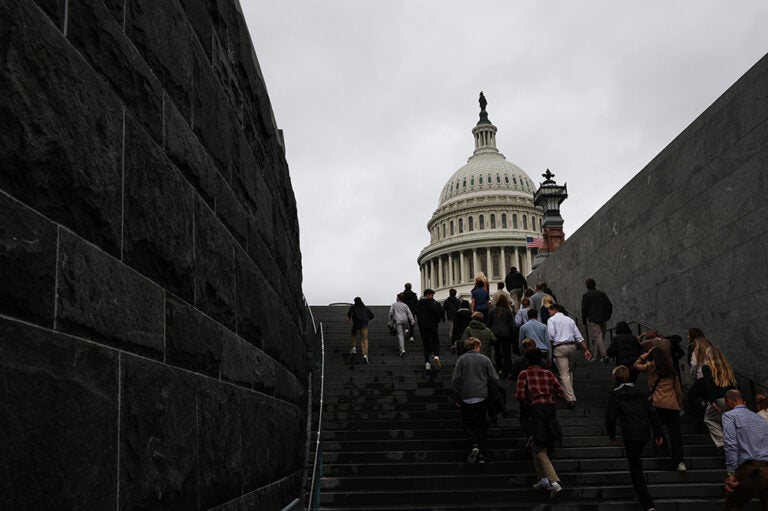
Photo by Justin Sullivan/Getty Images

Further Reading

6 Ways the Rising National Debt Can Fuel a Fiscal Crisis
The national debt is now as large as the entire U.S. economy, and the risk is increasing as the country accumulates debt faster than ever.
National Debt Projected to Hit 175% GDP; Interest Totals $99 Trillion
Compared with the previous 30-year projections, spending will be higher, revenues lower, interest rates and interest payments elevated, and the national debt significantly larger.

Federal Healthcare Costs on Track to Reach $3.1 Trillion by 2036
Federal healthcare programs are among the fastest-growing drivers of federal spending, and their continued growth will put significant upward pressure on the national debt.