




Infographic: How the U.S. Tax System Works

Many Americans find the U.S. tax system confusing, overly complex and even unfair, because it favors some individuals and economic activities over others. Additionally, the U.S. tax code does not currently generate adequate revenue to keep up with the spending promises lawmakers have made.
For these reasons, most lawmakers and voters agree the tax code needs reform – and there are many policy options available to make our system simpler, more transparent, and more supportive of economic growth and fiscal sustainability.
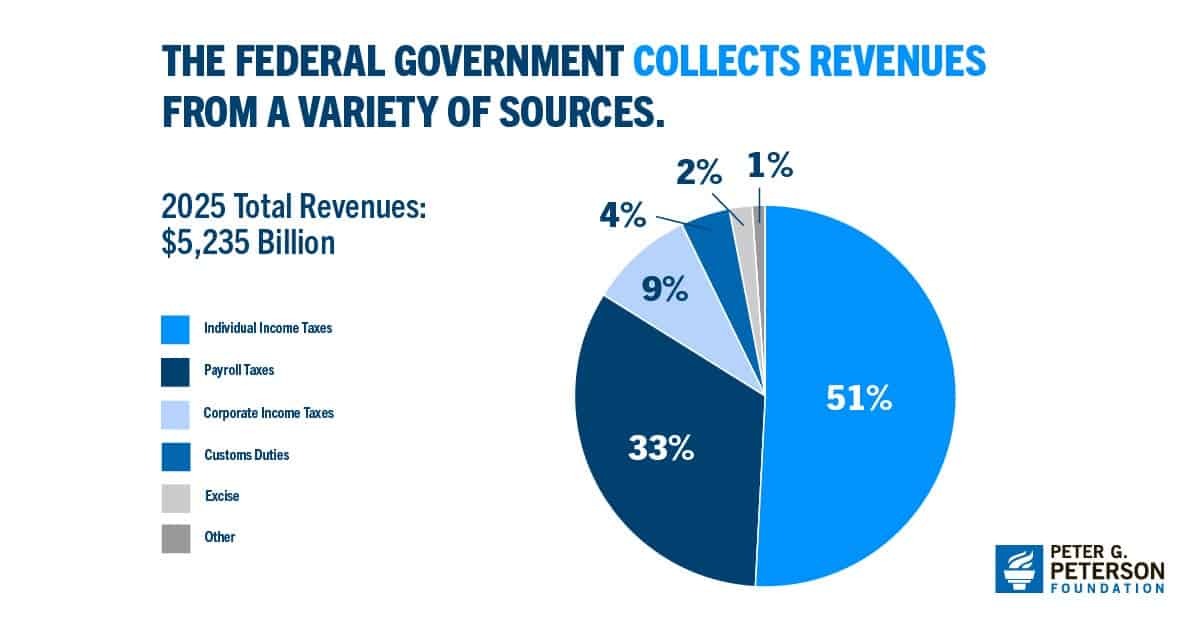
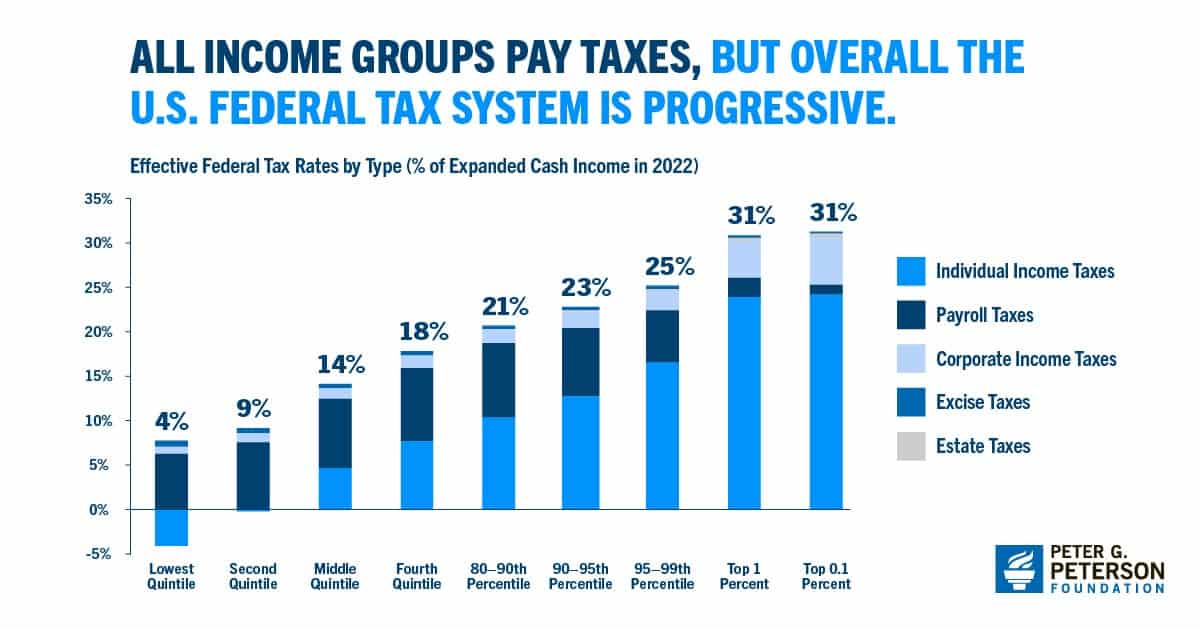
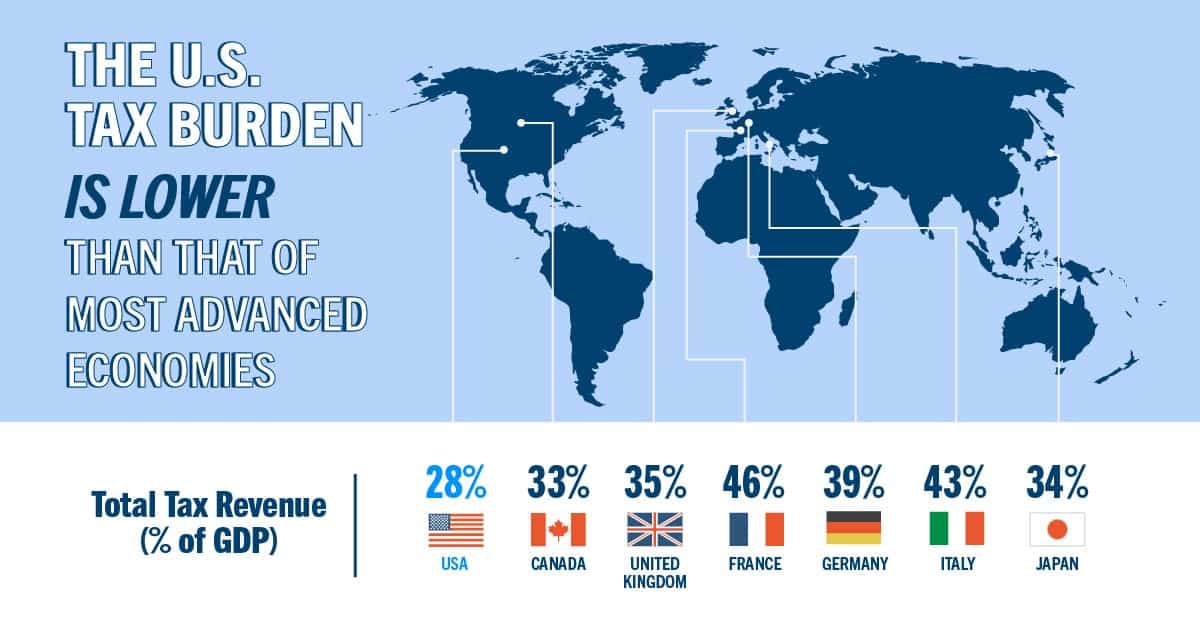
Before we can begin to assess the value of specific proposals, it helps to look at the big picture of how the system works – and to address some common misconceptions. Check out the infographic below for an overview of the system and then test how much you have learned with our tax quiz.

Further Reading

Payroll Taxes: What Are They and What Do They Fund?
Payroll taxes fund social insurance programs including Social Security and Medicare and are the second-largest source of revenues for the federal government.

IRS Staffing Cuts Will Reduce Revenues, Driving Deficits Higher
Reductions in IRS personnel decrease federal revenues, increase deficits, and significantly exacerbate the gap between taxes that are owed and taxes that are actually paid.
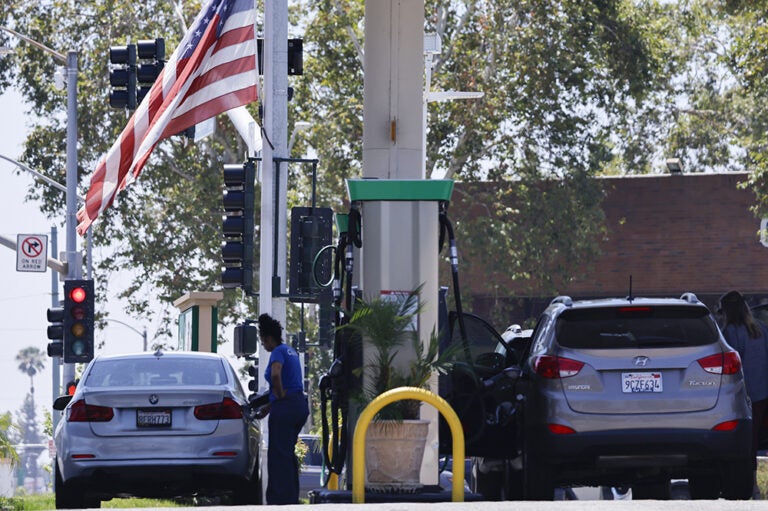
A Gas Tax Holiday Costs Billions, But Consumers See Only Marginal Savings
If the full savings from the gas tax holiday were passed on to consumers, the average licensed driver would only save approximately $8.90 per month.