




A Bipartisan Roadmap for Social Security Reform

Lawmakers are running out of time before automatic reductions to benefits are activated; the Brookings Institution plan is a valuable contribution to the policy discussion.
Read MoreU.S. Population Growth Is Slowing Down — Here’s What That Means for the Federal Budget

Understanding how demographic challenges contribute to the United States’ fiscal challenges can help policymakers adopt fiscally sustainable policies.
Read MoreFull Array of Republican Tax Cuts Could Add $9 Trillion to the National Debt
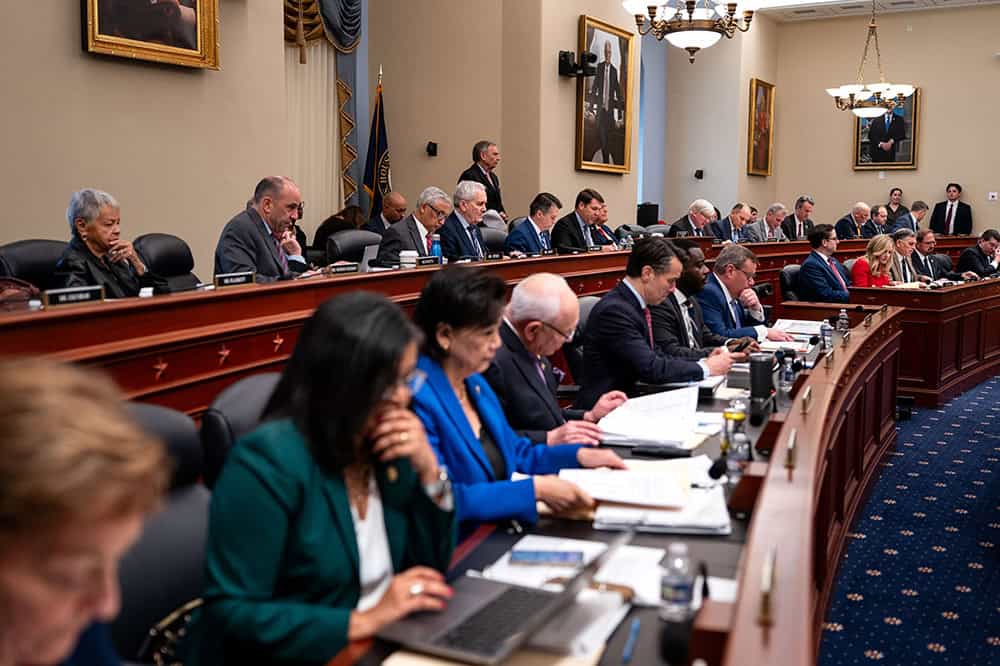
Fully extending the TCJA would cost approximately $5.0 trillion, while other elements of the Republican tax agenda also have large price tags over ten years.
Read MoreWhy Do Budget Baselines Matter?

Applying the current-policy baseline would not only be fiscally irresponsible in terms of this year’s tax debate, but it would set a dangerous precedent for the future.
Read MoreHere’s What a Budget Gimmick Is and How to Spot One

Lawmakers should avoid the use of budget gimmicks, which can hide the true fiscal impact of legislation.
Read MoreWhat Is the Farm Bill, and Why Does It Matter for the Federal Budget?

The Farm Bill provides an opportunity for policymakers to comprehensively address agricultural, food, conservation, and other issues.
Read MoreSocial Security Reform: Options to Raise Revenues

Here are the pros and cons for three approaches to increasing funds dedicated to Social Security.
Read MoreShould the U.S. Change the Corporate Tax Rate in 2025?

Here’s why lawmakers lowered the corporate tax rate in 2017, how the lower rate impacted the U.S., and how the rate might be reformed in 2025.
Read MoreTax Cuts Then and Now: The Debt Is Much Higher

The United States was in a more sustainable fiscal position when lawmakers previously enacted tax cuts.
Read MoreWhat Is a Wealth Tax, and Should the United States Have One?

Proponents of the wealth tax argue that it could help address rising wealth and income inequality while also generating revenues.
Read More