




What the Fitch Downgrade Says about our Fiscal Challenges

Fitch Ratings recently downgraded the U.S. long-term credit rating from its top mark of AAA to AA+.
Read MoreSocial Security’s Funding Gap is 1.2% of GDP — Here’s How We Can Close It

Social Security is an integral part of the nation’s fiscal picture and a vital economic lifeline for millions of recipients.
Read MoreHow Can We Reduce Unnecessary Healthcare Spending in the US?

In 2021, health spending in the United States totaled $4.3 trillion and averaged nearly $13,000 per person.
Read MoreWhat Is Fiscal Policy? Interactive Teaching Tools

Many Americans, young and old, may be confused by the complex set of issues that comprise how the government raises revenues and allocates them.
Read MoreHow the Lack of Action on the Debt Ceiling Can Hurt the Economy

Even though the government has never defaulted, the continued pattern of brinksmanship has negative consequences for our economy.
Read MoreHow Much Will the Debt Ceiling Deal Reduce Deficits?
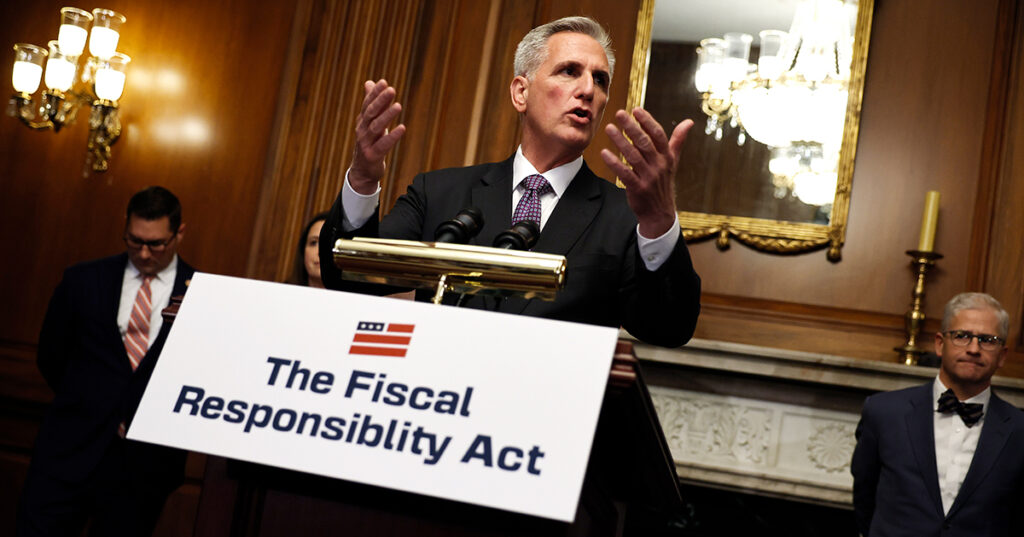
According to CBO, provisions in the Fiscal Responsibility Act of 2023 will result in a $1.5 trillion decrease to the deficit over the next 10 years.
Read MoreWhat Are Caps on Discretionary Spending and Do They Work?
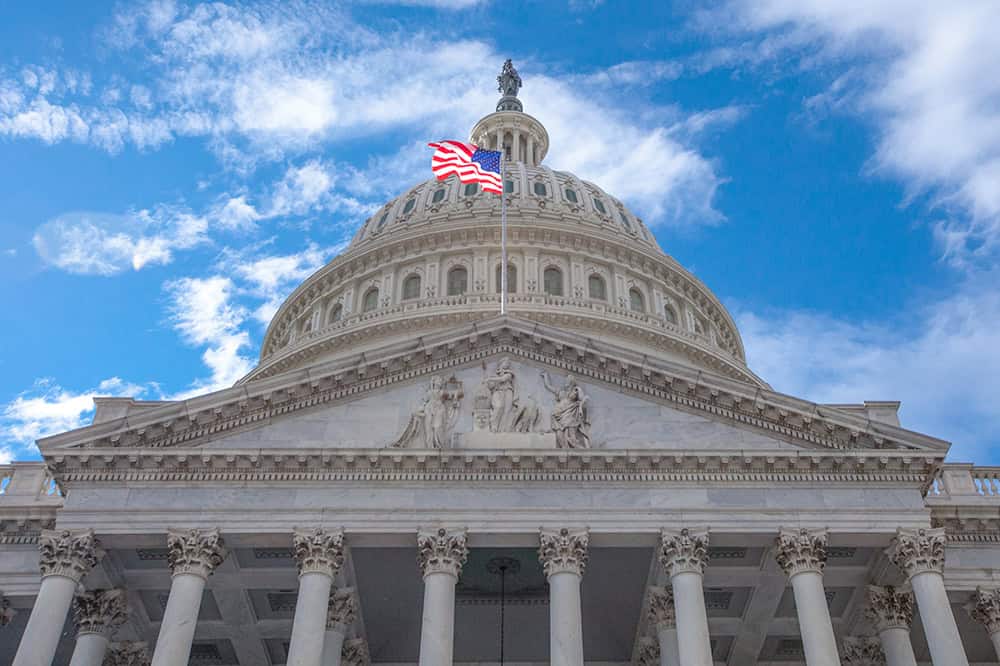
Let’s look at the trends in discretionary spending and how effective caps are in reducing the debt.
Read MoreHow Much COVID Funding Remains Unspent?

As part of a potential deal to raise the debt ceiling, policymakers are considering rescinding remaining funding for COVID-19 relief.
Read MoreBreaching the Debt Ceiling Could Make Federal Borrowing More Expensive
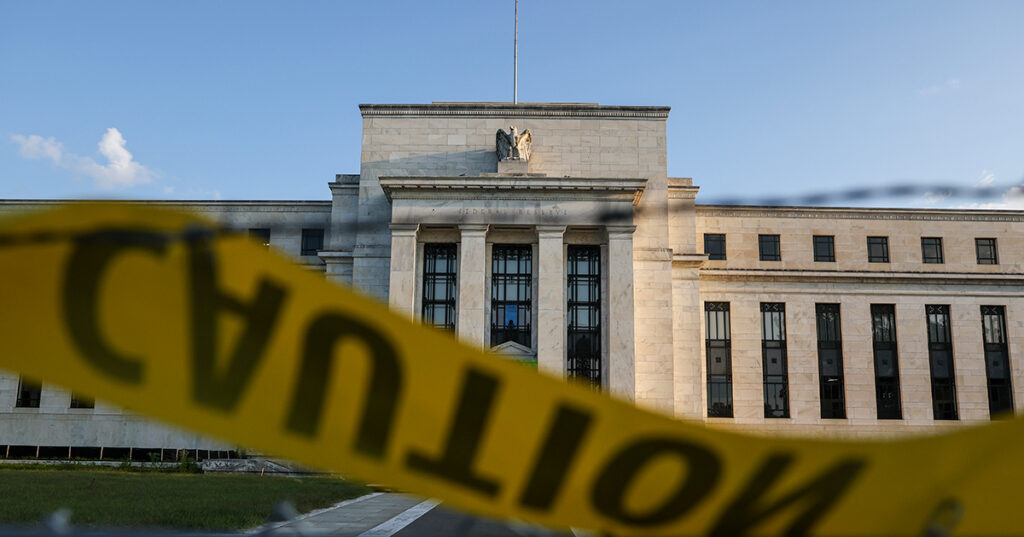
The recent volatility in interest rates shows that breaching the debt ceiling could make federal borrowing much more expensive.
Read MorePayroll Taxes: What Are They and What Do They Fund?

Most working Americans are subject to payroll taxes, which are usually deducted automatically from an employee’s paycheck. Employers are also often subject to these types of taxes.
Read More