




How Rising National Debt Drives Up Interest Rates — and What That Means for Americans

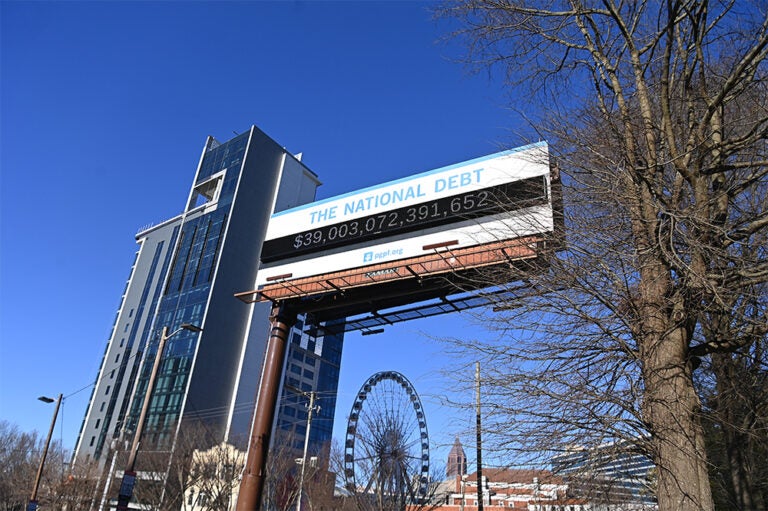
America’s unsustainable and rising national debt is putting upward pressure on interest rates, and that has significant negative consequences for the budget and across the entire economy. A new report from Third Way examines the relationship between federal debt and interest rates, identifying and explaining the implications for American families and businesses.
Below are four key takeaways from the paper:
- Rising debt drives up interest rates through the bond market. As the federal government runs a deficit, it must borrow the difference by issuing Treasury securities. Increased supply of U.S. Treasuries pushes yields higher to attract investors. Those yields then serve as a benchmark for interest rates across the economy.
- Rising debt increases borrowing costs not only for the government, but also for Americans. Higher interest rates driven by rising indebtedness are impacting household budgets and making life less affordable. Rising borrowing costs mean larger payments on mortgages, car loans, student loans, business loans, and credit card debt.
- Rising debt can crowd out resources available for private investment. As interest costs climb, borrowing costs grow for private investment in capital assets such as machinery, buildings, and technology, which can reduce investment. Additionally, because government bonds are considered safe assets, they can compare favorably to riskier private-sector assets. This crowding out reduces productive capital in the economy.
- Diminished private investment harms the economy. When federal borrowing crowds out private investment, businesses have less capital, which can slow innovation, productivity, and ultimately economic growth. For workers, this effect can raise unemployment and slow wage growth over time.
By adding upward pressure to interest rates, the rising national debt can increase the cost of living for American households, crowd out private investment that supports businesses, and cause long-term economic damage. Third Way’s report emphasizes the need for lawmakers to choose a better path forward.
Photo by Heather Diehl/Getty Images
Further Reading

Fed Raises Rates for First Time Since 2023 as Interest Costs Top $1 Trillion
High interest rates on U.S. Treasury securities increase the federal government’s borrowing costs.
With $40 Trillion in Debt, Is the U.S. Headed for More Credit Downgrades?
Three successive downgrades of the U.S. credit rating should alarm elected leaders, but our national debt remains on an unsustainable trajectory.

What Is the Yield Curve, and What Does It Tell Us About the Economy?
Not only does the yield curve offer insights into the strength of the economy, but it also signals how investors view the government’s fiscal trajectory.