




Affordability and the National Debt
Experts and voters agree on the link between America’s unsustainable fiscal outlook and growing cost-of-living concerns.

The rising national debt has costly economic consequences for American families and businesses. As our national debt grows, it can drive up inflation and interest rates. This can make everyday necessities like gas and groceries more expensive, while also leading to increased monthly costs for mortgages, car loans, and small business loans. Higher interest rates also crowd out private investment, which means fewer jobs, lower wages and reduced economic growth.
The $40 trillion and rising national debt is becoming too big to ignore, squeezing Americans from their wallet to their wages. Addressing America's debt is a key part of improving the cost of living, enhancing affordability, strengthening our economy and building a stronger, more sustainable future for the country.
As America looks to a consequential midterm election in November, the link between affordability and the national debt should be a key issue. The Peter G. Peterson Foundation is bringing together the views of fiscal and economic policy experts as well as everyday Americans to highlight the connection between our rising national debt and the widespread cost of living concerns across the country.
What Experts Say about the National Debt-Affordability Connection

The consequences of this debt are not off in the future, but already here. The government’s deficits have saddled many American families with higher costs, largely from rising interest rates.”
The warning lights in the federal budget are flashing, and the middle class will pay the price if Washington stays asleep at the wheel. High and rising debt matters for the real economy.”
High public debt contributes to higher interest rates [...] We feel it when buying a new family car or home. Businesses can feel it too, which can lead to less expansion or hiring. The result is another drag on the wage growth that we need to keep pace with inflation.”
Cutting deficits and controlling the growth of debt is… a route to lower interest rates, faster growth in the standard of living, and the ability to much more easily afford a lifestyle better than what will transpire if the United States continues on its current path.”
The consequences of rising federal debt are real. They show up in higher mortgage and student loan payments, slower wage growth, and a larger cost for younger generations entering the housing market at today’s higher interest rates. If debt continues to grow faster than the economy, these costs will continue to weigh on American households.”
See How the National Debt Has Affected Your Cost of Living
The Budget Lab at Yale estimated how much the rising national debt has made it more expensive to finance a home, car or small business loan. To see how your own personal finances have been affected, use the below tool.
What Voters Say about the Debt-Affordability Connection
Voters are deeply concerned that the rising debt is making life less affordable, and they are ready to support leaders who advance clear solutions to address the mounting debt.
92%
of voters are concerned that the debt is increasing inflation and the price of goods and services
89%
of voters are concerned that the debt's effect on interest rates is increasing personal borrowing costs
84%
of voters say a candidate having a plan to address the debt is a deciding factor in whether they would support the candidate in November
Highlighted Articles

How Does the National Debt Affect Inflation, Housing Costs, and the Job Market for Young People?
The unsustainable national debt poses a risk to our economic future, and young Americans may have the most to lose.
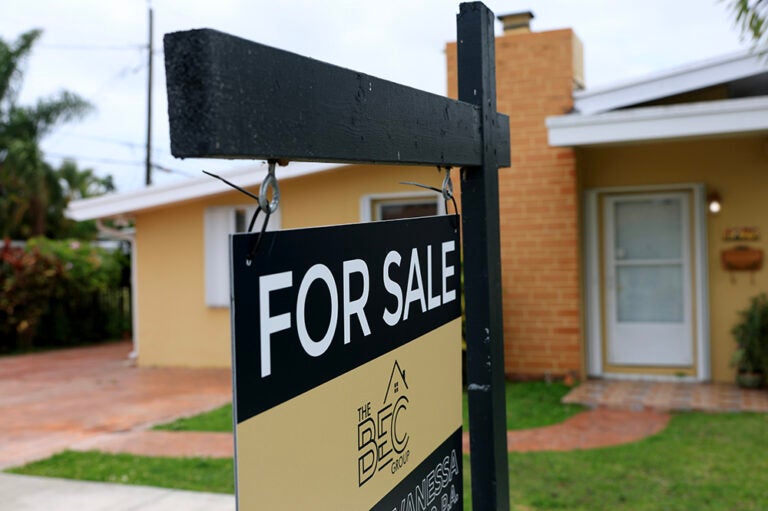
5 Ways Rising National Debt Makes America Less Affordable
The rising debt contributes to higher inflation and interest rates, which can have significant negative consequences for American families and businesses.
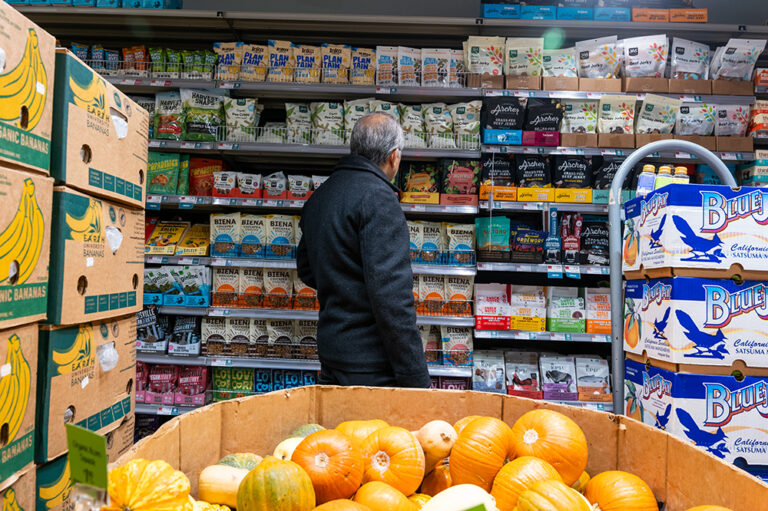
National Debt Puts Upward Pressure on Inflation and Interest Rates
America’s unsustainable fiscal outlook can have “significant consequences for price stability, interest rates, and overall economic performance,” according to a new report.