




3 Ways to Improve the Federal Budget Process
The current budget process is ill-suited for managing the nation’s long-term fiscal affairs. Learn about possible reforms to reimagine the budget process.
Read MoreThe Coronavirus Pandemic Continues to Cause Record Claims for Unemployment Insurance
Since March 15, more than 65 million claims for regular unemployment insurance have been filed due to COVID-19.
Read MoreUntil COVID-19 Is Under Control, Economic Damage Will Linger, Experts Say
A pair of top policy experts offer insights into the economy, the effectiveness of relief legislation, and what it all means for the election and beyond.
Read MoreThe Gap Between Federal Spending and Revenues Has Grown Rapidly During the Pandemic
COVID-19 has contributed to a rising gap between federal spending and revenues.
Read MoreWhat Are Overseas Contingency Operations?

Military activities are funded by federal appropriations. Learn more about how military spending is used to meet national priorities in war zones.
Read MoreHow Did the Fiscal Response to the Coronavirus Help the Economy?
Real GDP could have contracted by an annualized 46.2 percent in the second quarter if there had not been any fiscal response.
Read MoreWhat Are Federal Reserve Lending Facilities? How Will They Support the Economy during the Pandemic?
The Federal Reserve’s lending facilities are one of the many policy tools the central bank is using to stabilize the economy in response to the pandemic.
Read MoreCoronavirus Executive Actions Highlight Our Broken Budget Process
President Trump signed executive actions related to unemployment insurance, payroll tax relief, student debt, and housing evictions.
Read MoreIMF Releases Most Pessimistic Economic Projections for the United States to Date
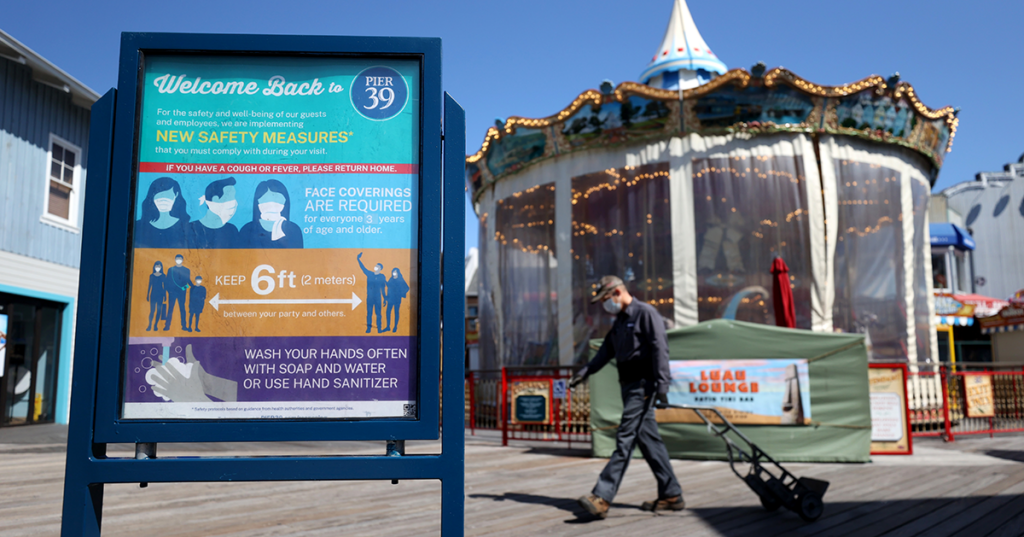
The IMF estimates that real GDP in the United States will fall by 8 percent in 2020, according to the latest update to their World Economic Outlook report.
Read MoreReal GDP Falls a Record-Breaking 32.9% in Second Quarter
New economic growth statistics confirm that the American economy continues to suffer historic damage during the coronavirus pandemic.
Read More