




9 Facts About Social Security and the Need to Strengthen It

Social Security is an essential program for millions of Americans, but it’s at risk if lawmakers fail to take action to reform the program.
Read MoreWhat Is SNAP? An Overview of the Largest Federal Anti-Hunger Program

SNAP has a positive effect on poverty and food insecurity, with a relatively small effect on the federal budget.
Read MoreWhat Is Supplemental Security Income?

SSI faces ongoing challenges including an aging population, evolving disability eligibility, and fiscal pressures on the federal budget.
Read MoreGrowing Momentum for a Fiscal Commission in Congress

A fiscal commission would provide the space and structure for lawmakers to comprehensively review the entire budget and improve the fiscal path of the U.S.
Read MoreSenators We Elect in 2026 Will Have to Deal with Automatic Social Security Cuts
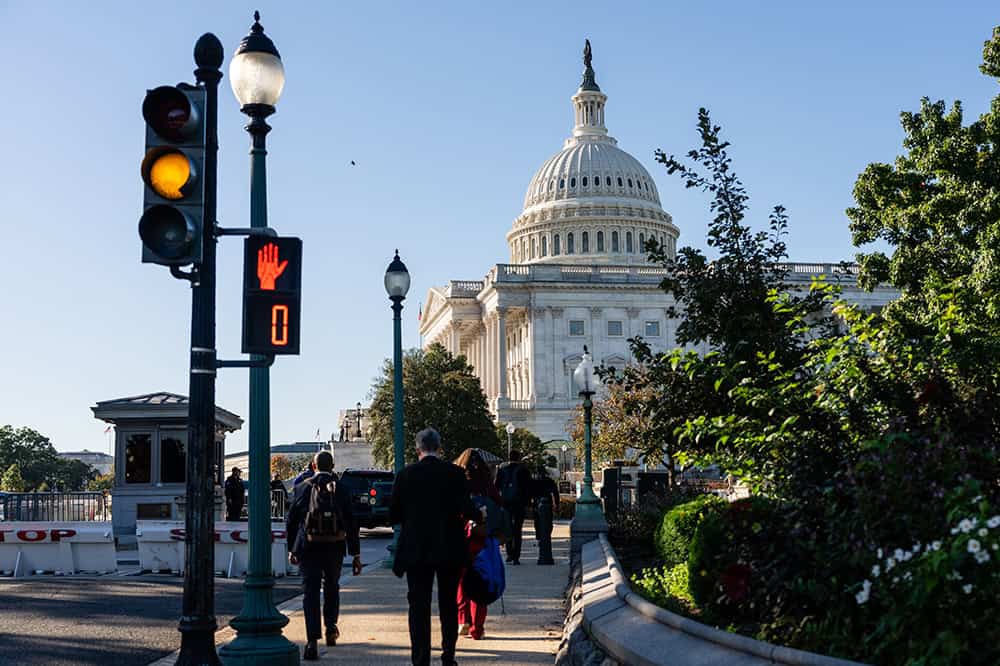
Without congressional action within the next six years, millions of Social Security recipients will face an automatic benefit cut of approximately 22 percent.
Read MoreWhat Is Stagflation, and How Would It Affect the National Debt?

Stagflation is rare, but when it does happen, it can have significant negative consequences for the economy and the national debt.
Read MoreBudget Basics: Federal Trust Funds

Federal trust funds bear little resemblance to their private-sector counterparts.
Read MoreThree Key Things to Know about CHIP

The Children’s Health Insurance Program is a key piece of the social safety net. Let’s take a look at what CHIP is, how it is financed, and who benefits from it.
Read MoreIssues: Social Programs

America’s largest social programs, Social Security and Medicare, are on an unsustainable fiscal path. Learn more about social programs and the national debt.
Read MoreSpending on Veterans in the Budget

Federal spending for veterans has increased relatively sharply in the past two decades as scores of veterans returned home from extended wars in Iraq and Afghanistan.
Read More